
Memecoins 2.0 – Institutional Considerations for Cultural Tokens
When most investors think of memecoins, they recall Dogecoin’s meteoric rise in 2021 or the Shiba Inu frenzy that followed. But the 2024–2025 cycle has demonstrated that memecoins are evolving into something more complex: cultural tokens with real liquidity, community governance, and integration into decentralized finance (DeFi) infrastructure. For institutions, the question is no longer whether memecoins are culturally significant, but whether they can be incorporated into compliant financial structures.
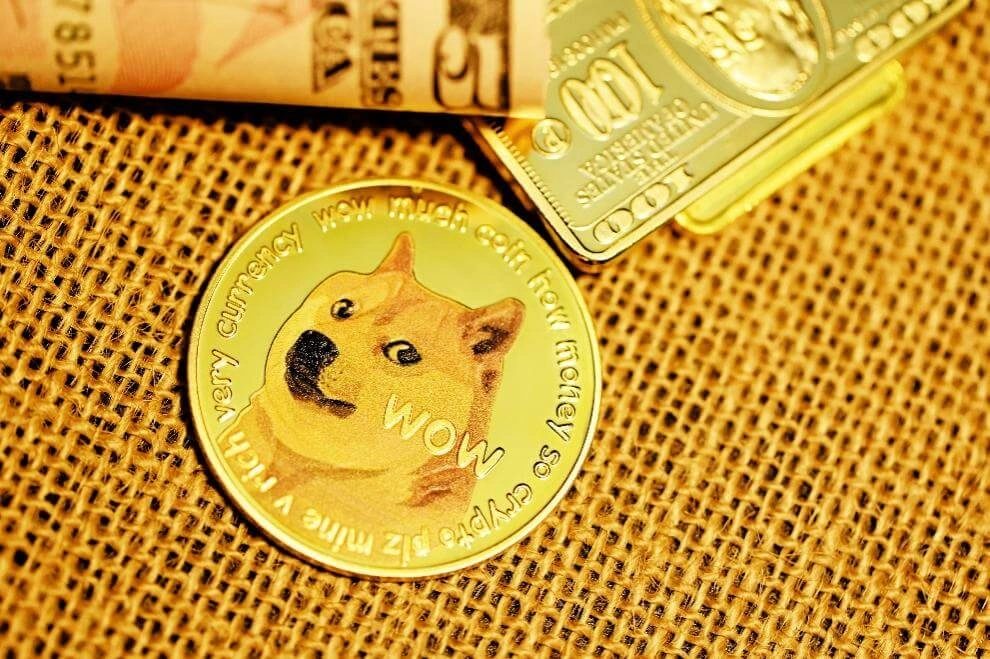
Caption: Dogecoin remains the most recognizable memecoin, illustrating how cultural tokens bridge internet culture with real liquidity in today’s digital asset markets.
This latest wave, dubbed Memecoins 2.0, differs from its predecessors in critical ways. Liquidity profiles are deeper, on-chain activity is more sophisticated, and exchanges are experimenting with structured products tied to cultural tokens. Yet, institutional adoption remains cautious, driven by concerns over compliance, volatility, and reputational risk.
The New Memecoin Liquidity Profile
Historically, memecoins were criticized for thin liquidity and reliance on retail-driven hype cycles. The 2025 landscape looks different. According to CoinGecko, the combined market capitalization of top memecoins surged past $40 billion in early 2025, with average daily trading volumes rivaling mid-cap altcoins.
Several factors explain the shift:
- DeFi Integration: Memecoins now feature in lending pools, perpetual swaps, and liquidity mining programs. Dogecoin and Shiba Inu, for example, have been collateralized in DeFi platforms for stablecoin borrowing.
- Cross-Exchange Listings: Leading exchanges list multiple memecoins, creating arbitrage opportunities and deeper liquidity pools.
- Retail Stickiness: Communities behind memecoins are more engaged than ever, driving transaction counts that rival major networks.
For institutional investors, liquidity depth matters. A cultural token with billions in trading volume is materially different from a microcap meme experiment. Advisors offering digital asset consulting services for businesses are increasingly fielding questions from corporates and funds about how to evaluate these liquidity shifts.
On-Chain Activity and Community Dynamics
One of the most overlooked aspects of Memecoins 2.0 is the role of on-chain governance and community participation. Dogecoin has been used to fund charitable causes, Shiba Inu launched a decentralized exchange (ShibaSwap), and newer entrants like PEPE have created active communities producing NFTs, music, and other cultural outputs.
This grassroots activity is not trivial. In some weeks, Shiba Inu has recorded more daily transactions than Ethereum Layer 2 solutions, underscoring the role of cultural engagement in driving real on-chain utility.
For institutions working with a digital asset strategy consulting firm, the key challenge is distinguishing between organic activity and speculative churn. Community-driven demand is difficult to model, but ignoring it risks underestimating memecoins’ staying power.
Compliance Considerations
The biggest barrier for memecoins entering institutional portfolios is compliance. Regulators remain skeptical of tokens tied primarily to cultural branding rather than cash flows or equity claims. The U.S. SEC, for instance, has hinted that certain memecoins may qualify as securities depending on their launch structure and promotional activity.
Institutions exploring memecoins must consider:
- KYC/AML Protocols: Many memecoin transactions occur in anonymous DeFi venues, raising compliance red flags.
- Market Manipulation Risks: The rapid influx of retail investors makes memecoins prone to pump-and-dump dynamics.
- Custody Challenges: Traditional custodians are hesitant to offer coverage for assets perceived as volatile or reputationally risky.
This is where digital asset consulting for compliance becomes critical. Institutions cannot afford regulatory missteps. Advisors offering innovative solutions in digital asset consulting are tasked with designing frameworks that integrate memecoins into structured products while respecting regulatory boundaries.
Can Cultural Tokens Become Institutional Products?
The evolution of memecoins into structured institutional products depends on whether cultural tokens can be wrapped into compliant vehicles. Several potential structures are being explored:
- Index Funds: A “Cultural Token Index” could diversify exposure across multiple memecoins, mitigating idiosyncratic risk.
- Collateralized Lending: Memecoins used as collateral for stablecoin loans, monitored by crypto asset investment consultants, could appeal to high-yield funds.
- Structured Notes: Institutions may design products where returns are linked to memecoin performance but hedged through derivatives.
Already, niche funds have launched pilot products resembling cryptocurrency index fund management services, bundling memecoins with mid-cap altcoins. While small in scale, they represent the first steps toward a cryptocurrency growth fund management that considers cultural tokens.
Altcoins vs. Major Cryptocurrencies
From an institutional lens, memecoins fall under the broader debate of altcoins vs. major cryptocurrencies. Bitcoin and Ethereum remain the dominant institutional exposures due to liquidity, regulation, and track record. Memecoins, while sizable, carry reputational baggage.
Yet, ignoring memecoins altogether overlooks their utility in reaching retail participants and engaging younger investors. For crypto investment firms, memecoins represent a cultural bridge to broader adoption, even if they remain a small percentage of institutional portfolios.
Advisors specializing in digital assets consulting or crypto investment consulting often recommend cautious pilots rather than wholesale exposure. This allows institutions to capture upside without overcommitting to volatile narratives.

Risk Management for Memecoin Exposure
Institutions considering memecoin exposure must prioritize risk management in crypto investments. Volatility remains extreme: PEPE surged over 500% in Q1 2025, only to retrace 60% weeks later. For compliance officers and portfolio managers, these swings can be destabilizing.
Strategies for managing exposure include:
- Position Sizing: Limiting allocations to 1–2% of portfolios.
- Hedging Instruments: Using derivatives to cap downside.
- Custody Solutions: Engaging custodians offering secure digital asset consulting solutions and insurance coverage.
Engaging a portfolio management consultant can help tailor memecoin exposure strategies to fit within broader digital asset portfolio management frameworks.
The Long-Term Outlook
Memecoins 2.0 are more than speculative fads; they are experiments in cultural finance. Whether or not they achieve institutional legitimacy, they are shaping narratives around tokenization, governance, and community-driven liquidity.
For investment companies for short-term gains, memecoins remain attractive due to their volatility. For treasuries seeking long-term investment in digital assets, they may remain niche exposures at best. The future likely lies in hybrid products where memecoins are wrapped into diversified vehicles, reducing idiosyncratic risks while maintaining exposure to cultural dynamics.
Partnering with Kenson Investments
As institutions evaluate memecoins and cultural tokens, the importance of expert guidance cannot be overstated. Kenson Investments positions itself as a global digital asset consulting firm offering comprehensive digital asset consulting services for clients navigating the complexity of investing in cryptocurrencies.
Institutions seeking strategic digital asset consulting partners, whether exploring memecoins, stablecoins, or tokenized treasuries, will find in Kenson a trusted partner for innovative investment solutions.
About the Author
This article was written by an independent contributor focused on digital assets, compliance, and institutional adoption. The author has covered tokenization, cultural finance, and blockchain regulation for more than a decade, advising institutions on navigating the digital asset market and evaluating cryptocurrency investment strategies.
Disclaimer: The information provided on this page is for educational and informational purposes only and should not be construed as financial advice. Crypto currency assets involve inherent risks, and past performance is not indicative of future results. Always conduct thorough research and consult with a qualified financial advisor before making investment decisions.
“The crypto currency and digital asset space is an emerging asset class that has not yet been regulated by the SEC and the US Federal Government. None of the information provided by Kenson LLC should be considered as financial investment advice. Please consult your Registered Financial Advisor for guidance. Kenson LLC does not offer any products regulated by the SEC, including equities, registered securities, ETFs, stocks, bonds, or equivalents.”

Shawn Davis is a wonderful person. He is very nice and always willing to help out! He loves his job because it lets him share interesting things with people who want to know about new developments in the world of technology.